
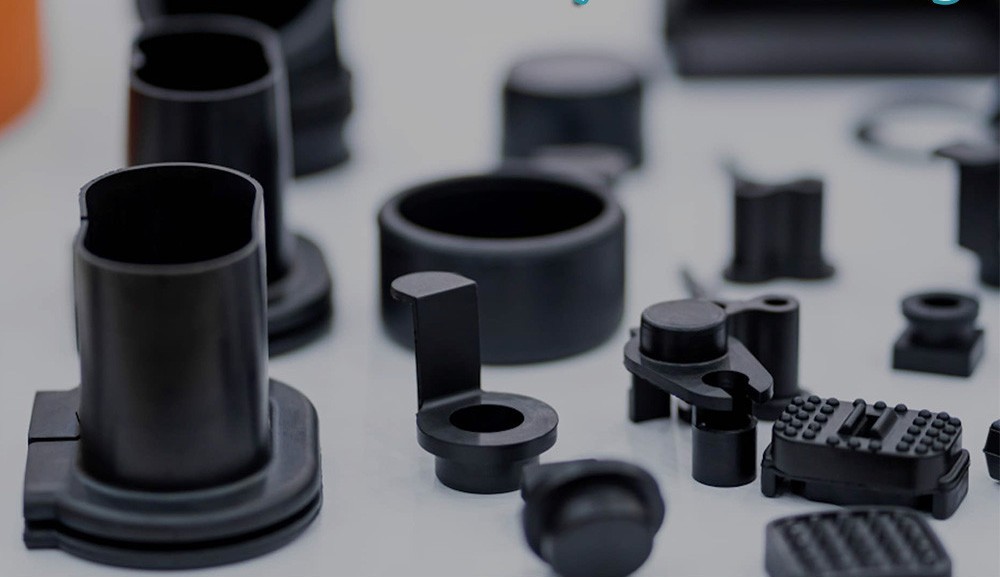
Plastic has become one of the important materials in the manufacturing industry, which is being used across industries such as automotive, electronics, packaging and healthcare. The manufacture of plastic parts requires many processes and materials to achieve long life, functionality and cost-effectiveness.
What is a Plastic Manufacturing Component?
The term plastic manufacturing component describes a part of the plastic product creation process. Such as raw materials, additives, machinery, and processes used to create, mold, and refine plastic products. They are essential for making plastic products more durable, functional, and affordable across multiple sectors.
Components of Plastic Manufacturing
- Raw Materials
The first step in plastic manufacturing is selection of suitable raw materials.
Some of the most common types of plastics used in production include:
- Thermoplastics: These types of plastics become soft when heated and harden when cooled, which makes them very suitable for recycling. These include polyethylene (PE), polypropylene (PP), polyvinyl chloride (PVC), polystyrene (PS), etc.
- Thermosetting Plastics: When these materials are heated, they undergo a chemical change that is irreversible, which gives them strength and makes them heat-resistant. Epoxy, phenolic, and polyester resins are examples.
- Bioplastics: These plastics are made from renewable resources such as corn starch or sugarcane, and they are becoming more common because they are better for the environment.
Additives and Fillers
Manufacturers use additives and fillers to improve the properties of their plastic components, including:
- Plasticizers: Used to enhance elasticity and durability (such as in PVC products).
- Stabilizers: Help to protect the plastics from degradation caused by heat, UV light or oxygen.
- Colorants: Add colors for desired forms and aesthetics.
- Reinforcements: Add glass fibers or carbon fibers for greater strength and rigidity.
Manufacturing Processes
Depending on the plastic material and its end-use application, different manufacturing processes are applied:
- Injection Molding
- It is the most widely used plastic manufacturing process.
- This process involves injecting the molten plastic in two stages into a mold form.
- Used for products such as bottle caps, automotive components, and medical devices.
- Extrusion Molding
- For the production of long, continuous shapes such as pipes, tubing, and sheets.
- This is done by pushing melted plastic through a shape die.
- Blow Molding
- Most suitable for producing hollow plastic items like bottles or containers.
- Involves forcing air into the plastic to mold it.
- Rotational Molding
- For large, follow things: tanks, playground equipment, etc.
- Plastic resin is heated and spun in a mold until it coats the inside surface.
- 3D Printing (Additive Manufacturing)
- Visibility Creating champions of 3D printing amongst variable stakeholders.
Quality Control and Sustainability
Before moving ahead, quality control of such products is essential in plastic production so that they do not go out of order and match with industry rules. Techniques such as:
- Material Testing: (Tensile strength, impact resistance)
- Dimensional Inspection: (Using precision measuring tools)
- Eco-Friendly or environmental compliance: (Cutting down the use of packaging, recycling, etc.)
Moreover, sustainability is a growing emphasis, with products made from recycled plastics, biodegradable materials, and energy-efficient production processes on the rise.
Conclusion
The components of the production process which generally serves as the plastic manufacturing component to help ensure that plastic products are durable, high-quality, and meet industry standards. As new technologies are developed and sustainability is prioritized, the industry constantly adapts, finding the right balance between efficiency and environmentalism. This information allows the manufacturers make sure that plastic products for many applications are being produced while ensuring they are of quality, durable and environmentally friendly.
